Victoria Landscape Photography: Forests, Coasts & Mountains
From the scenic Yarra Ranges in the east to the enchanting Otways in the south, Victoria’s forests hold untold images for keen photographers, with new compositions awaiting around every corner.
Plus, with snow-capped peaks in the north-west to stunning coastlines at Wilsons Promontory, the state offers a bounty of natural beauty to explore and soak in.
TOP LANDSCAPE PHOTOGRAPHY LOCATIONS IN Victoria
The 12 Apostles: This stretch of coast is a world-class destination for a reason. It’s simply stunning with crumbling sea stacks and sweeping coastal views.
The Otways: Here you’ll find ancient beech trees, lush ferns and an abundance of waterfalls. (My two favourites are Hopetoun Falls and Beauchamp Falls.)
The Grampians: These jagged sandstone peaks, forged millions of years ago, form an inverted U shape, with the eastern peaks steep and craggy.
Yarra Ranges: Home to a majestic stretch of native forest. Full of towering ash trees and giant tree ferns, be sure to visit the Rainforest Gallery and the Black Spur Drive.
Victoria GALLERY: LANDSCAPE PRINTS
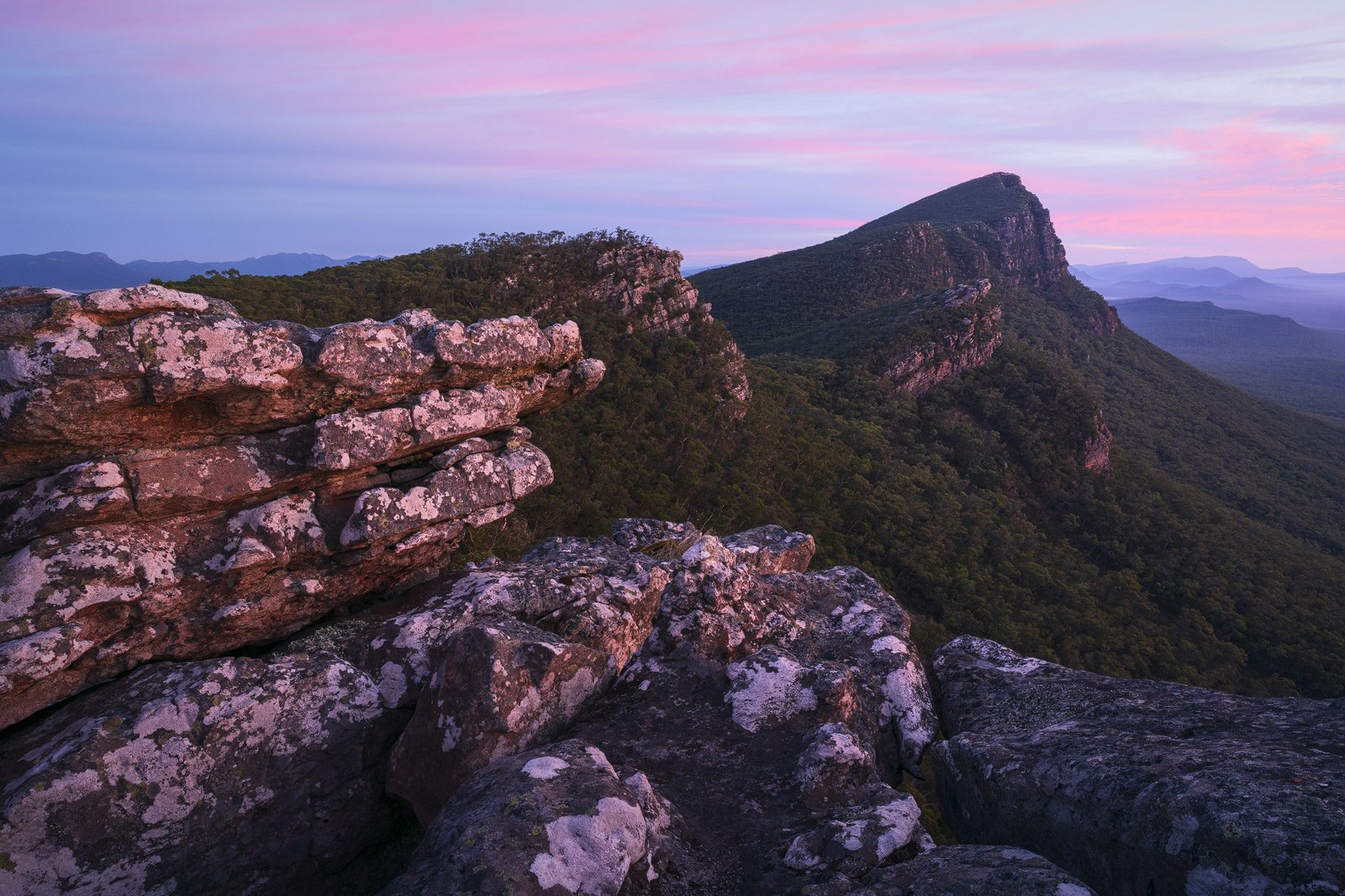
The hike up to Mount Abrupt offers some of the most scenic mountain views in all of Victoria. (And even more so in the pre-dawn glow.) The pastel sunrise bathed the rugged peaks of The Grampians in light, with Signal Peak standing strong in the distance.
Glorious evening light in Victoria’s unforgiving High Country. Giant granite boulders stand guard over the peaks of Mount Buffalo and beyond.
In early 2024 I spent some time in Victoria’s High Country. It was an unfamiliar yet rewarding environment to explore—with striped snow gums and towering granite tors.
I was scouting locations to revisit in winter when I stumbled on this striking tree. So I waited for the midday sun to dip behind a cloud as the softer light shaped this storied snow gum.
Sweeping sand dunes illuminated on golden hour. Wilsons Promontory National Park is known for its stunning beaches. But the dune of the Big Drift are just as impressive.
With waterfalls, my first instinct was always to capture the grand scene. To stick with a wide-angle lens and frame a striking stream leading through to the falls as the centrepiece.
Yet I’ve found myself becoming more drawn to smaller scenes within the frame.
They’re not as grand as their wide-angle counterparts. But they do present one of photography’s most rewarding challenges. To distil the essence of an experience into a single, simplified shot.
So on a trip out to The Grampians, I simply took my 70-200mm telephoto on the hike down to the falls. While it was challenging at first, I soon began to notice frames within the falls—focussing on this particular cascade and freezing it at one quarter of a second.
I had set off before dawn to photograph the trees of the Yarra Ranges. Only to find the way to my hike padlocked and closed for winter.
With daybreak fast approaching, I took a gamble on an unexplored expanse of native forest. (And as you can already tell by this frame, I’m stoked I did.)
As I waded through the undergrowth the rising sun began to ignite the morning mist. First in a deep scarlet, then shifting to a golden glow that illuminated the forest.
Us landscape photographers often talk about stunning sunrises and magical moments. (And I can be as guilty of hyperbole as most.)
But in that moment I found myself overwhelmed with pure awe at the scene unfolding around me. I composed myself to fire off a few frames, with this one easily climbing to the top of my portfolio.
So to mix metaphors, when two roads diverge in the woods, follow the light.
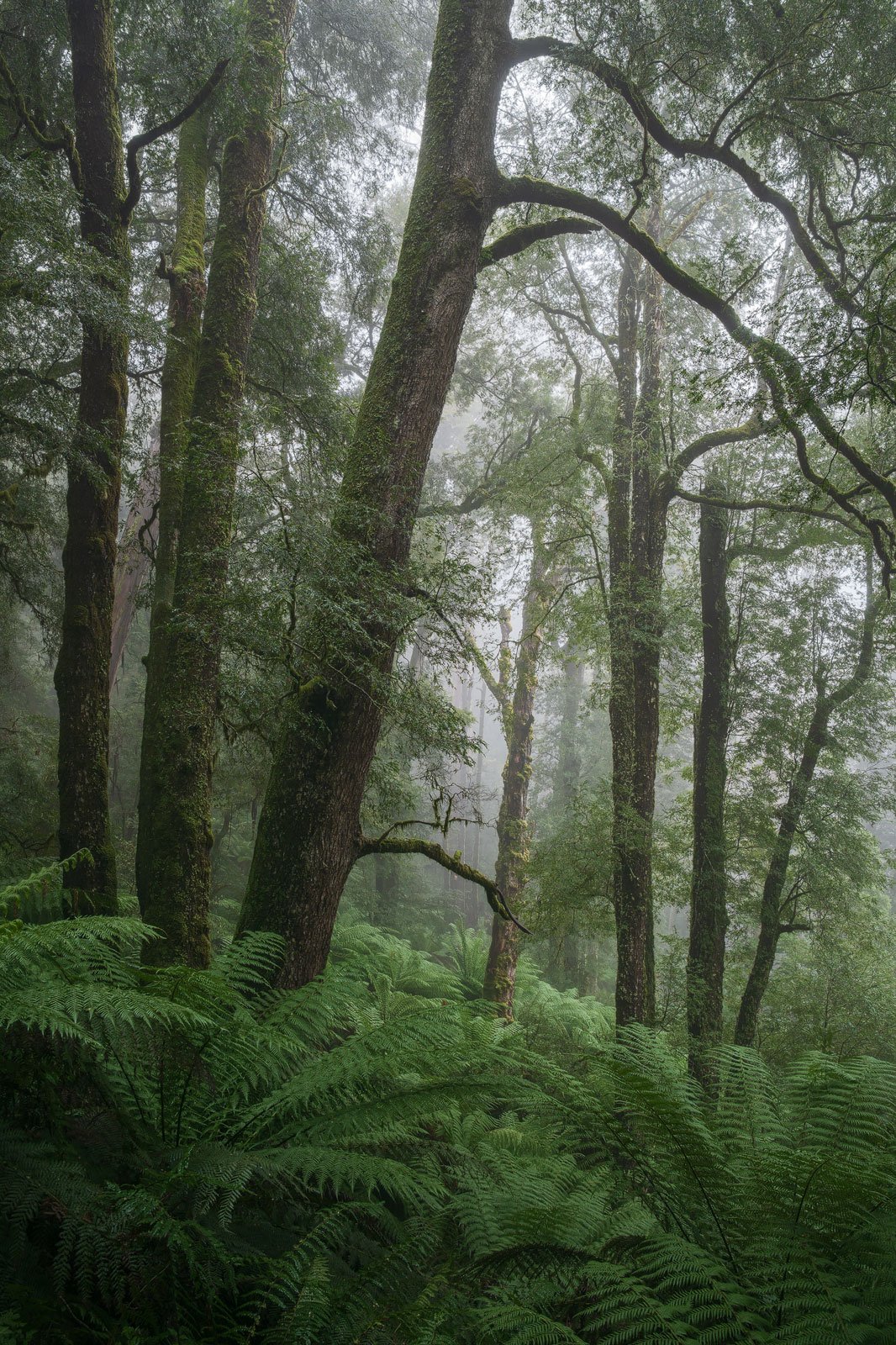
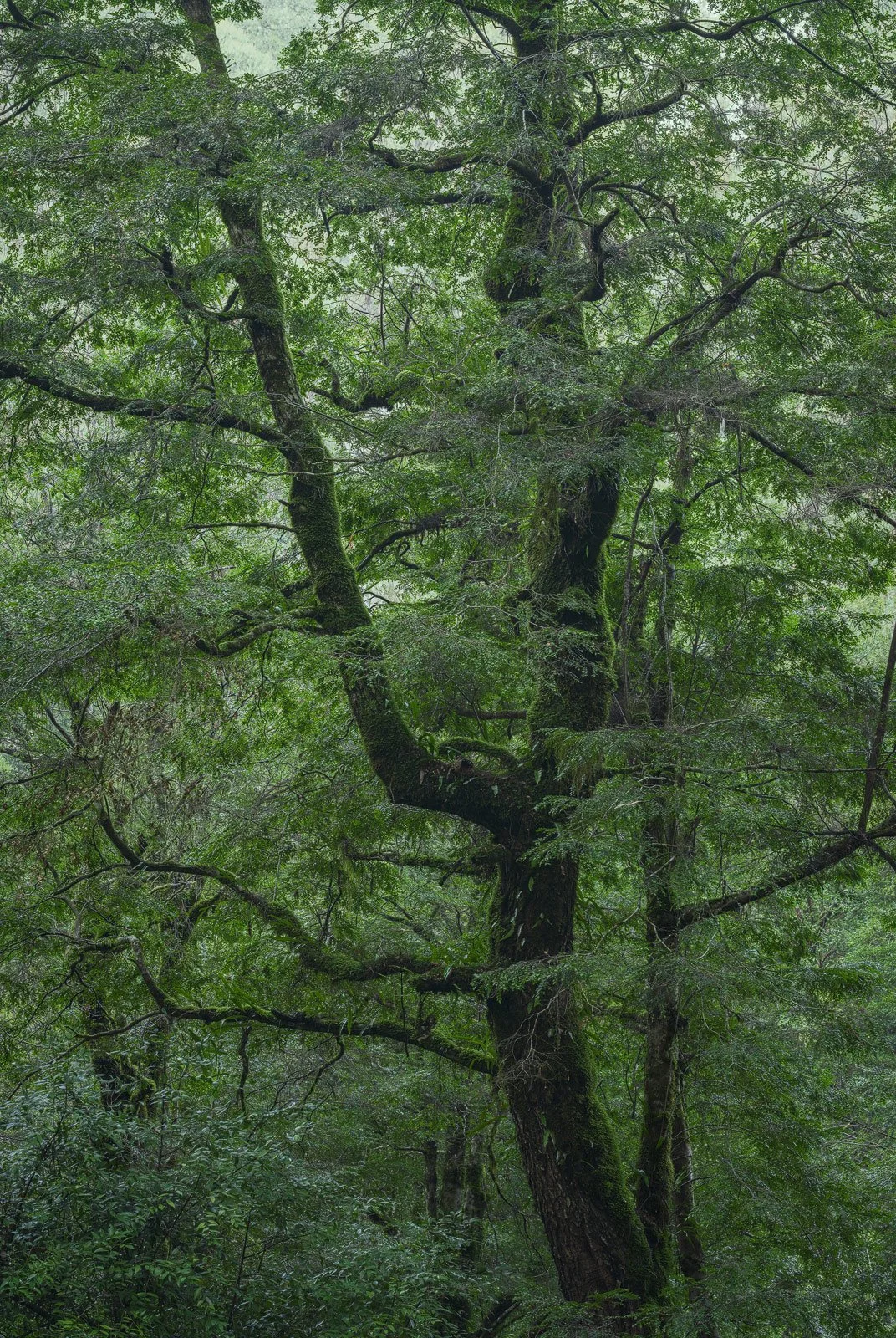
This is Australia, but you wouldn’t know it. Deep in Victoria’s Great Otway National Park pockets of ancient forest remain, where gnarled beech trees reign eternal. These temperate rainforest giants stand guard over the tree ferns and eucalyptus.
The 12 Apostles lookout offers sweeping views of the Great Ocean Road, yet there are only so many angles of the Apostles before all images start to look the same. Here’s what they look like from the other side.
When photographing waterfalls, it’s tempting to use a wide-angle lens and include the entirety of the falls. But often, there are equally impressive hidden gems, waiting to be isolated and captured.
So on a trip out to The Grampians, I simply took my 70-200mm telephoto on the hike down to the falls. While it was challenging at first, I soon began to notice frames within the falls—focussing on this particular cascade and freezing it at one quarter of a second.
After six months apart, my dad and I went on a photography road trip along Victoria’s Great Ocean Road. Our first mission was to photograph the wild koalas down at Cape Otway, nestled in the manna gum bushland. In the late afternoon light this little guy was as curious about us as we were about him.
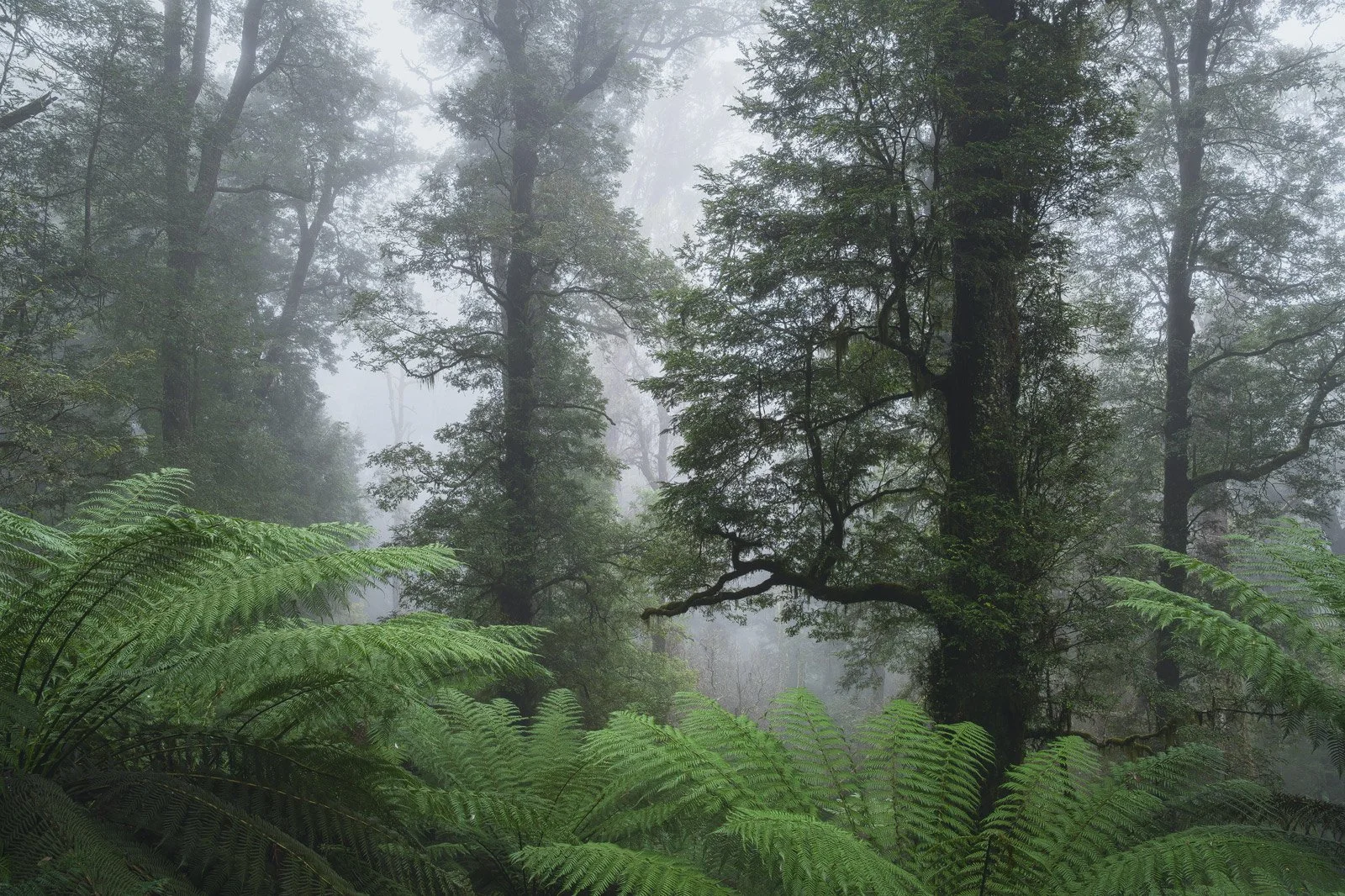
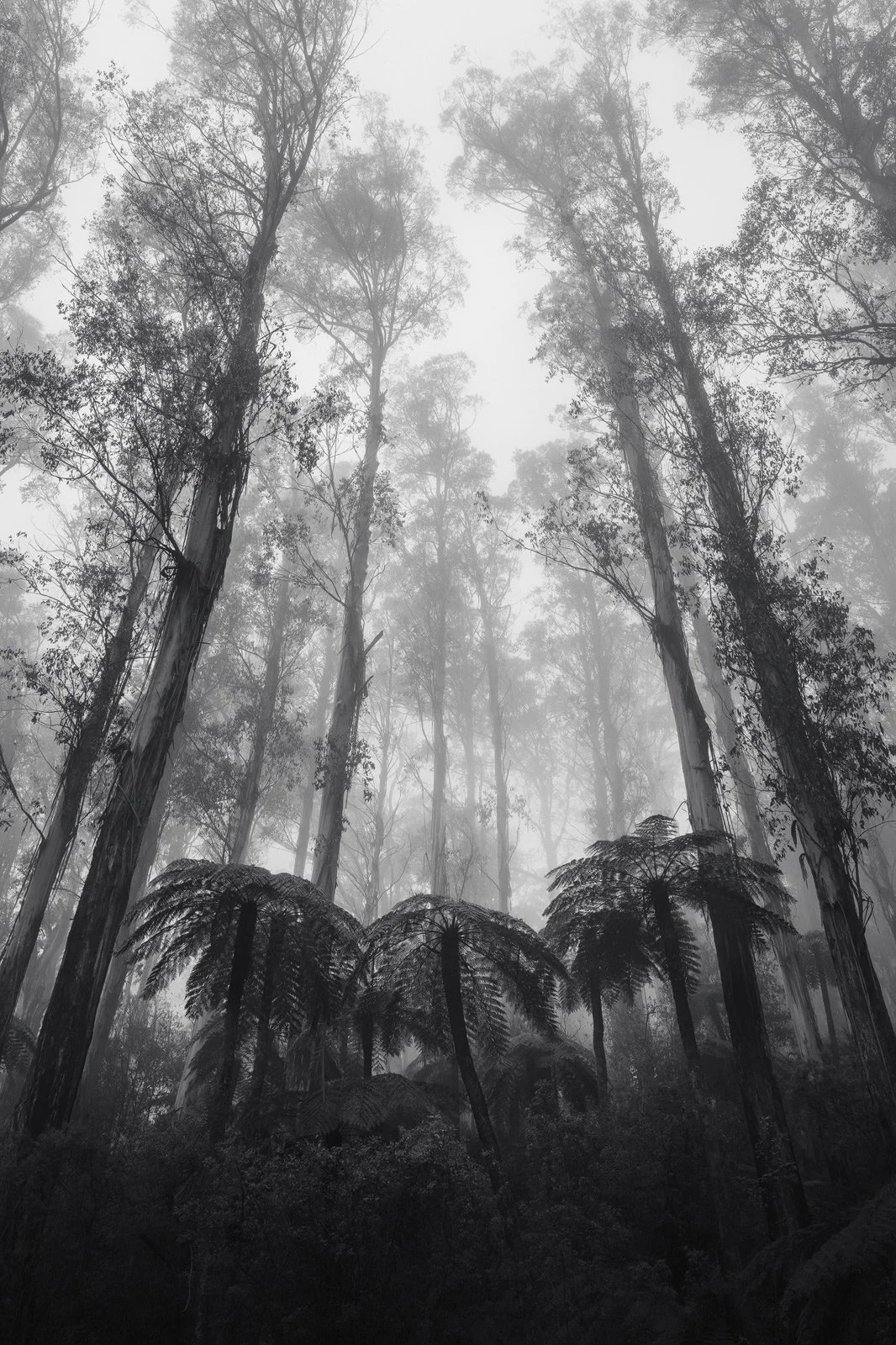
Unfurling tree ferns. Drifting fog. Stands of towering mountain ash. Shifting sunbeams. This is Victoria’s Yarra Ranges at its absolute finest, wandering deep through the Black Spur.
As the river weaved out to sea, it carved these channels and islands in its wake. A tiny landscape of light and shadow set to be washed away as the next wave reclaimed the land.
With a howling easterly blasting through, it sculpted these shifting sands—forming corrugated waves and peaks several stories high. I stumbled on this sculpted trio nestled beside a larger dune that offered partial respite from the tempest. I ducked down, kept the tripod low and snapped a few frames before the sun dipped out of sight.
I ventured out to the Grampians, chasing the lure of a cold front set to roll through on dusk. I arrived an hour before sunset with strong winds sending the clouds streaming overhead. After scoping the scene for a composition, I set my camera and tripod in position ready to go. Time to watch and wait.
As the light fell, the front passed through on time—bringing with it the rain and the cold. Exposed on the cliff top, I flung a jacket over my gear and then used myself as a shield to guard against the rain blowing in from the west. After a healthy drenching, the clouds began to lift. The camera survived—to my great relief—and I fired off a few frames before the setting sun dipped below the horizon.
A magical moment within one of Australia’s great National Parks
My pick of images from a glorious sunrise session in the wild and wonderful Yarra Ranges National Park. Using my 100-400mm Sony telephoto lens I captured a range of forest details, focusing in on the subtleties of forms and dappled light.
Along the Cape Woolamai trail local wildlife greeted me at each turn, with flocks of ibis, soaring albatross and curious wallabies watching me through the scrub. As the sun set, scores of shearwaters glided over the Southern Ocean, taking in one last catch before returning to their burrows on the Cape.
Over the holidays I showed my Dad around the Yarra Ranges – a location I feel at complete ease getting lost in. And so we were fortunate to stumble on this scene, of mountain ash towering over myrtle beech and tree ferns, which captures the essence of this remarkable region.
TIPS & TACTICS TO PHOTOGRAPH THE BEST OF Victoria
Smaller scenes have formed some of my most striking compositions. So here are six tips to help you expand your creativity with fresh compositions and make more meaningful photos.
Landscape photography is a continuous pursuit of refinement and growth. So I thought I’d reflect on my journey as a landscape photographer these past five years and share some tips with you.
From world-famous coastal landmarks to snow-capped peaks—not to mention the enchanted forests in between—Victoria has it covered for landscape photographers.
Like many photographers these past two years, I’ve spent more time delving through old hard drives to rediscover images. But now, I’ve returned to the real thing. And it’s everything I knew it would be.
From the lofty peak of Mt Abrupt to the sweeping views on offer from The Balconies, The Grampians is a landscape photographer’s paradise. Here’s how to make the most of it!

Deep in Victoria’s Yarra Ranges, towering myrtle beech trees reach towards the heavens. In between the shifting fog, giant tree ferns frame these windows into the ancient forests beyond.