Tasmania Landscape Photography
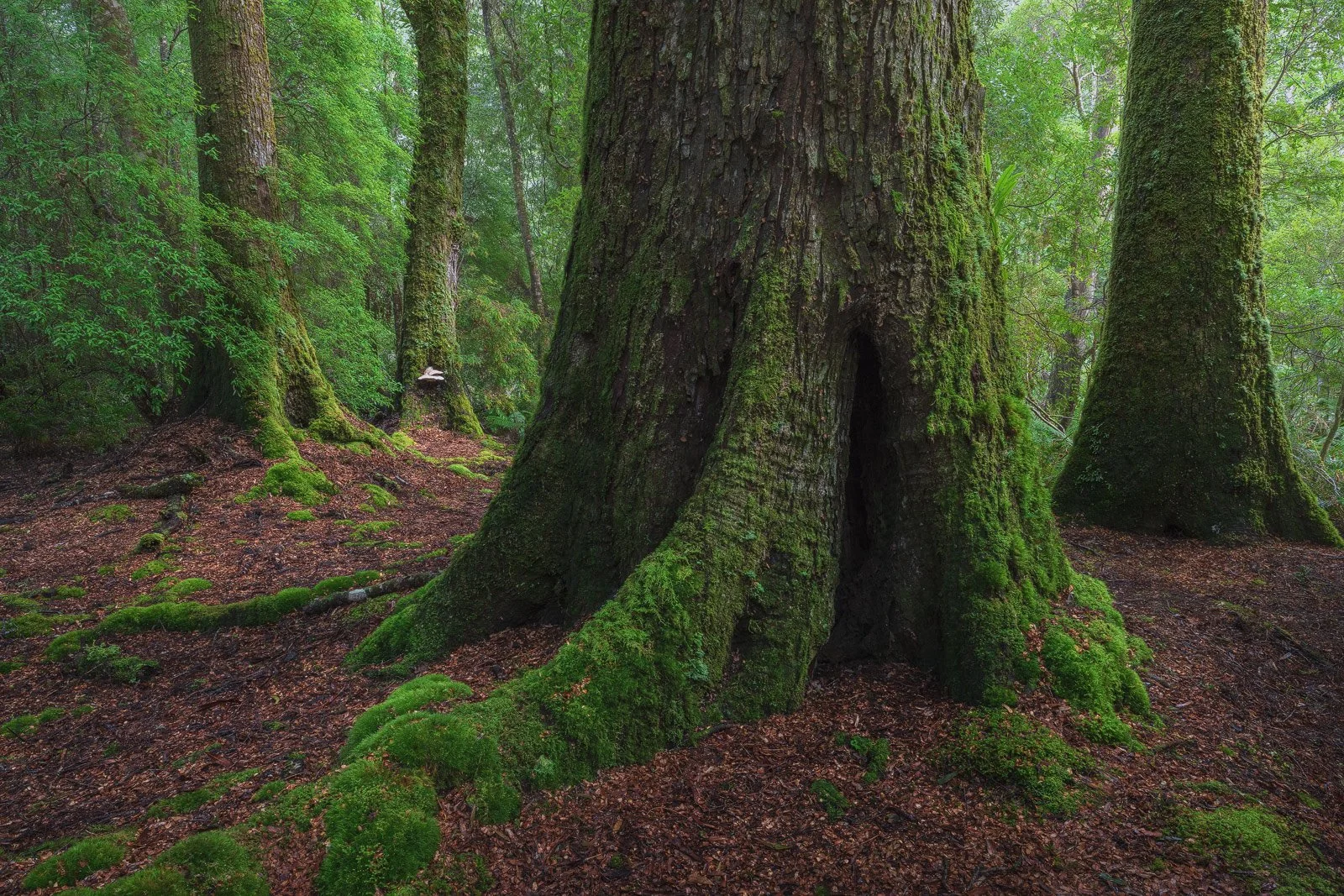
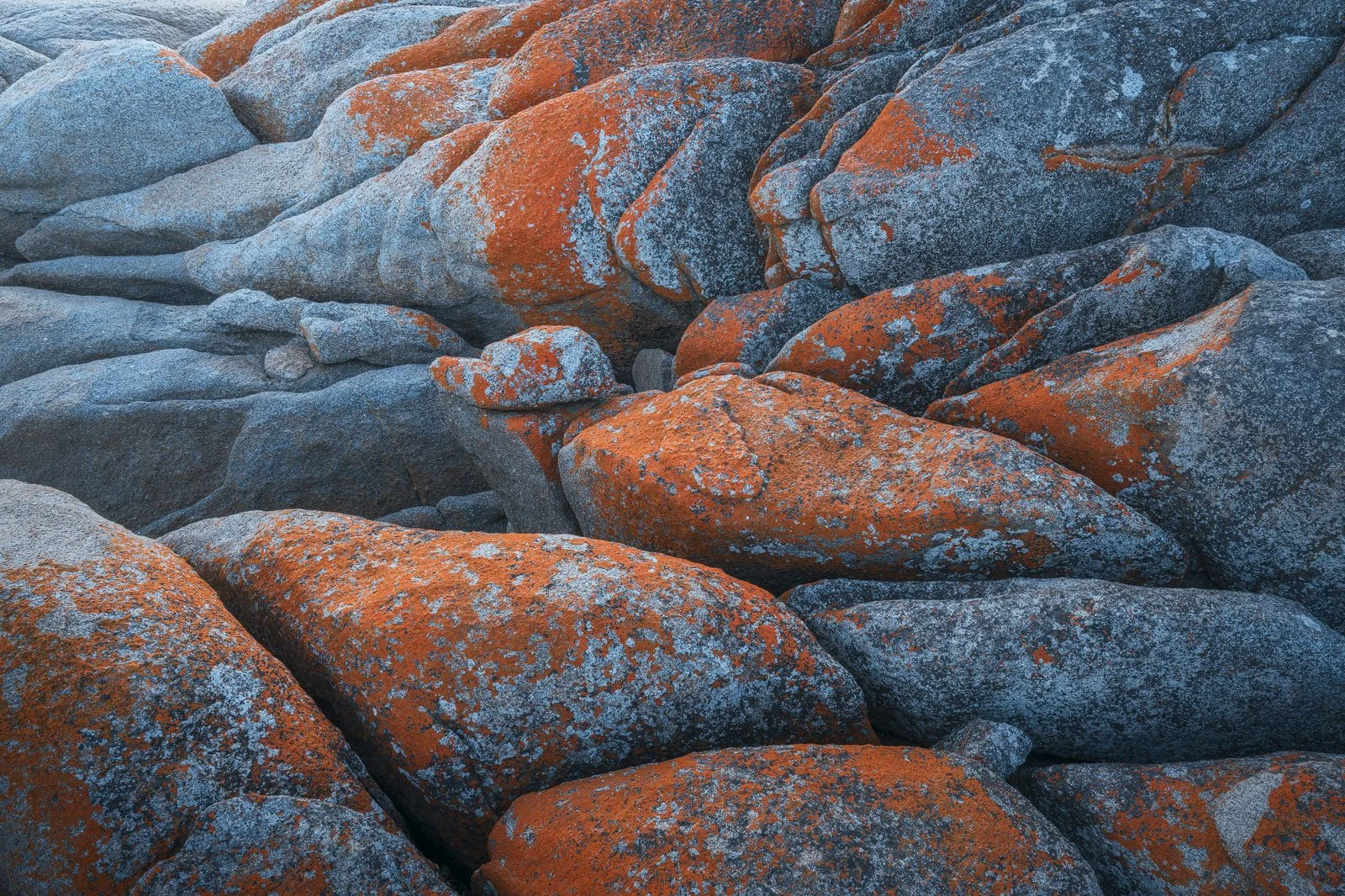
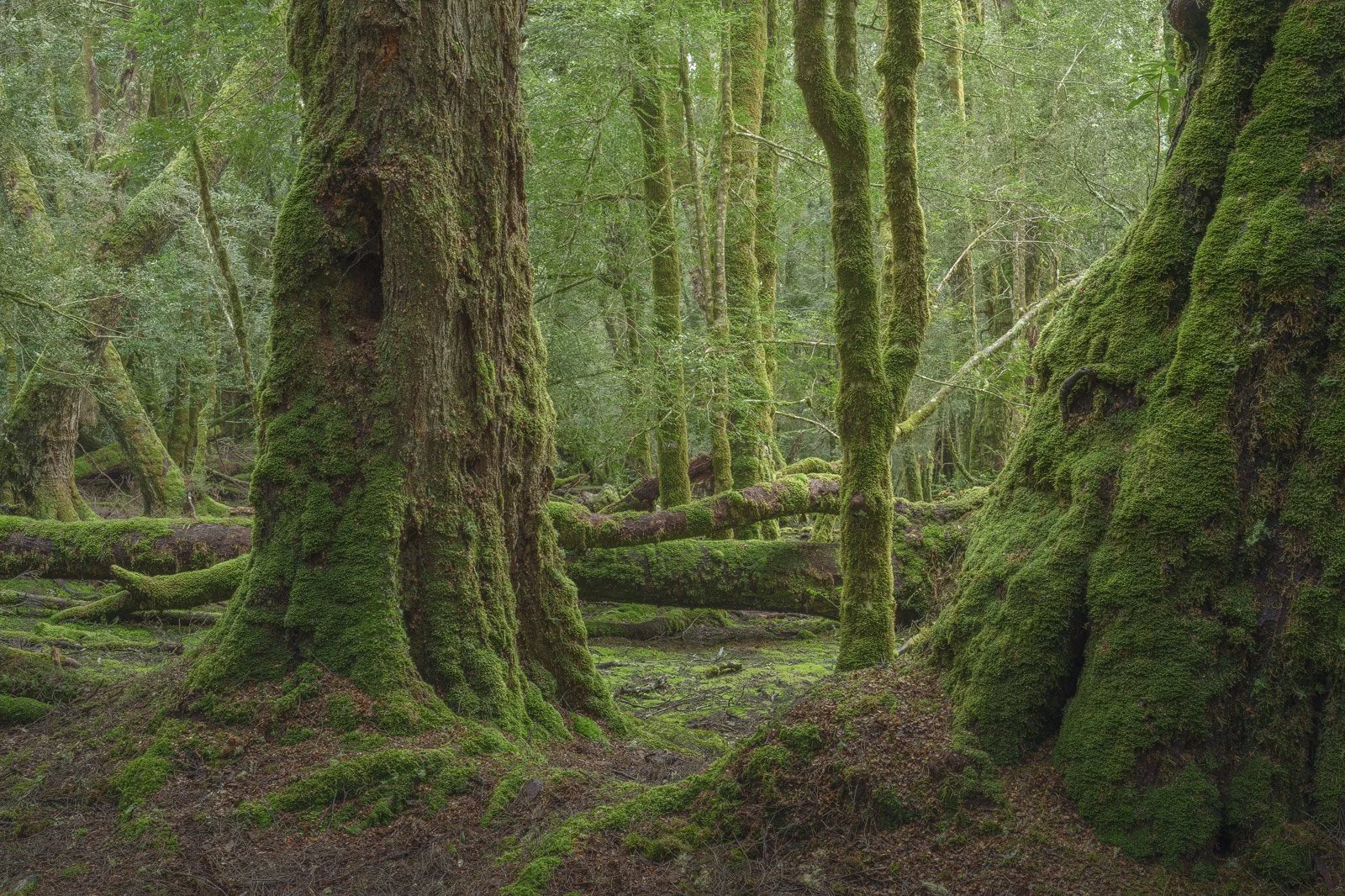
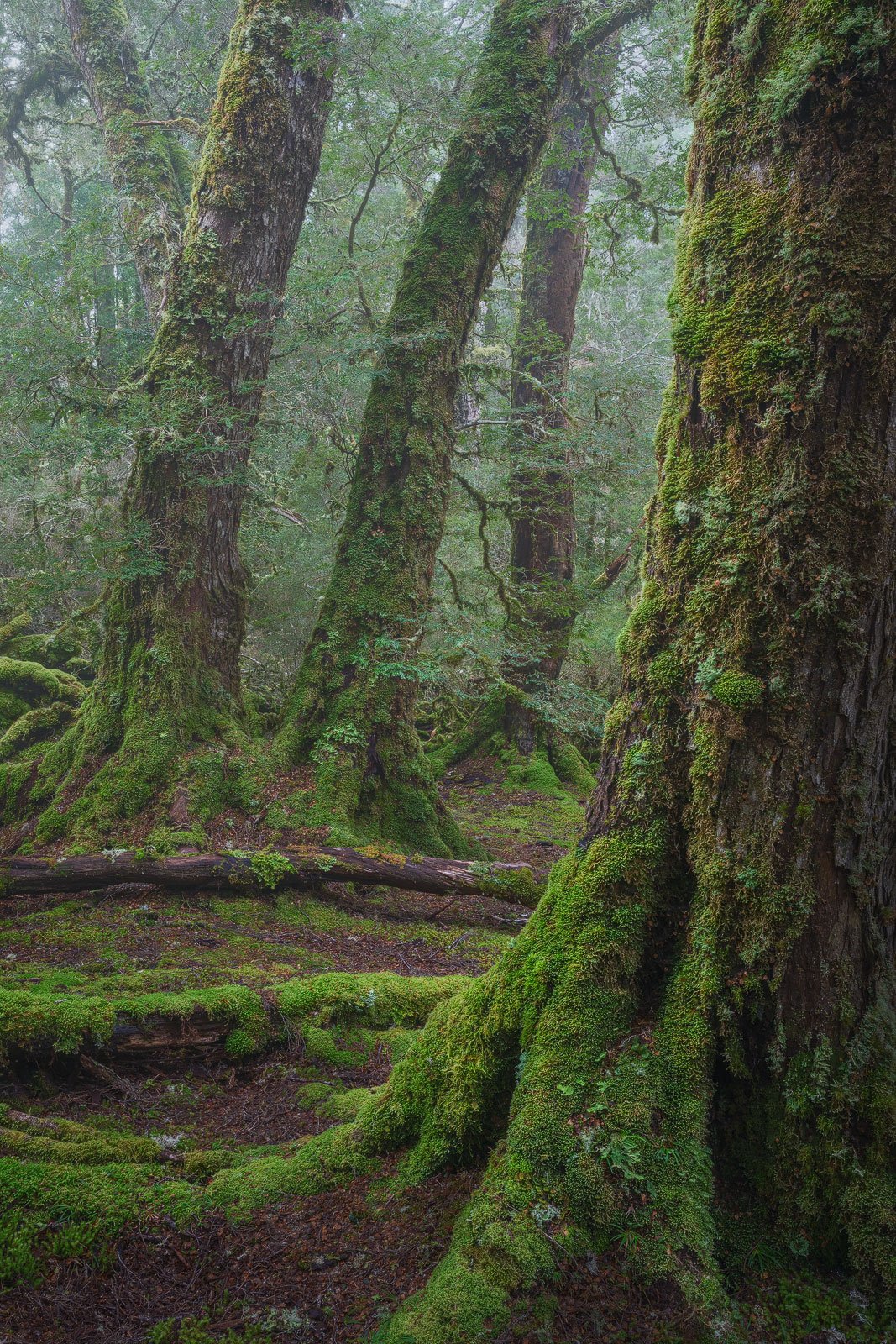
Landscape and nature photos of Tasmania. From gnarled myrtle beech trees at Cradle Mountain to stunning coastal scenes along the Bay of Fires. Tasmania is a true wilderness state and one of the most picturesque in all of Australia.
Print gallerY
The crimson-red Telopea truncata: the Tasmanian waratah. While its buds are less dense than NSW’s floral emblem, I found it just as striking in its charm and sheer resilience.
On our travels we saw tree-like plants soar several metres into the canopy. Spindly shrubs growing out of scree on the slopes of kunanyi. And some specimens were so dense with flowers it was as if a master florist had arranged them.
Deep in Tasmania’s Central Highlands, the setting sun broke through to illuminate this striking stand of snow gums.
A glorious sunrise at the Bay of Fires. From giant boulders to pristine sands to sapphire waters, the coastline is simply stunning. A gem during the day. And a delight at first light.
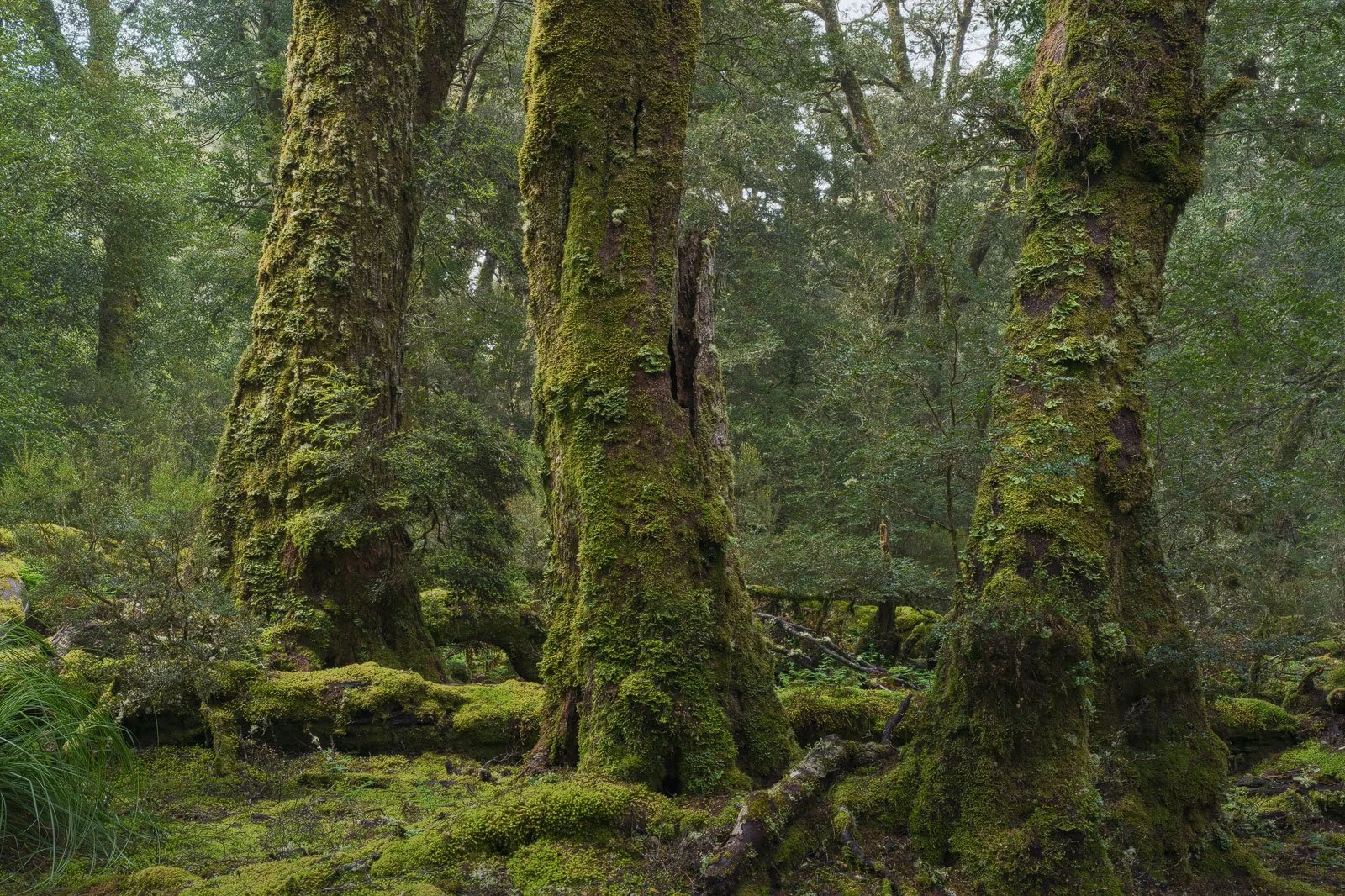
This remains one of the most ancient tree groves I’ve set foot in. As I weaved through these moss-covered trunks, a shroud of fog fell over these veterans of the forest.
A glorious moment over the rugged and remote Western Arthurs, deep in Tasmania’s South West Wilderness.
As pandani plants soar upwards, the aging leaves twist and turn downwards. In Cradle Mountain National Park, soft evening light shaped these woven spirals.
With clear skies forecasted over Tasmania’s remote southwest region, I chartered a scenic flight over the Western Arthurs. Taking off before dawn, we were greeted by golden light illuminating sights like Lake Oberon and Federation Peak—crowned “Australia’s only real mountain” by Sir Edmund Hillary.
Found only in Tasmania, young pandani plants look like pineapple heads sprouting from the ground. While veterans soar many metres into the forest canopy. This family of pandani were clustered together in the alpine forest of Mt Field National Park.
During my Tassie trip, I picked up a second-hand copy of Pedder Dreaming. It chronicles Olegas Truchanas—photographer and adventurer—and the efforts of a passionate few to save Lake Pedder from needless damming in the 1970s.
Progress marched on and so did the rising waters. The reservoir drowned ecosystems and the pink quartzite beach that would appear like sweeping piano keys each summer.
Yet the campaign sparked a spirited conservation movement that would save the Franklin River a decade later.
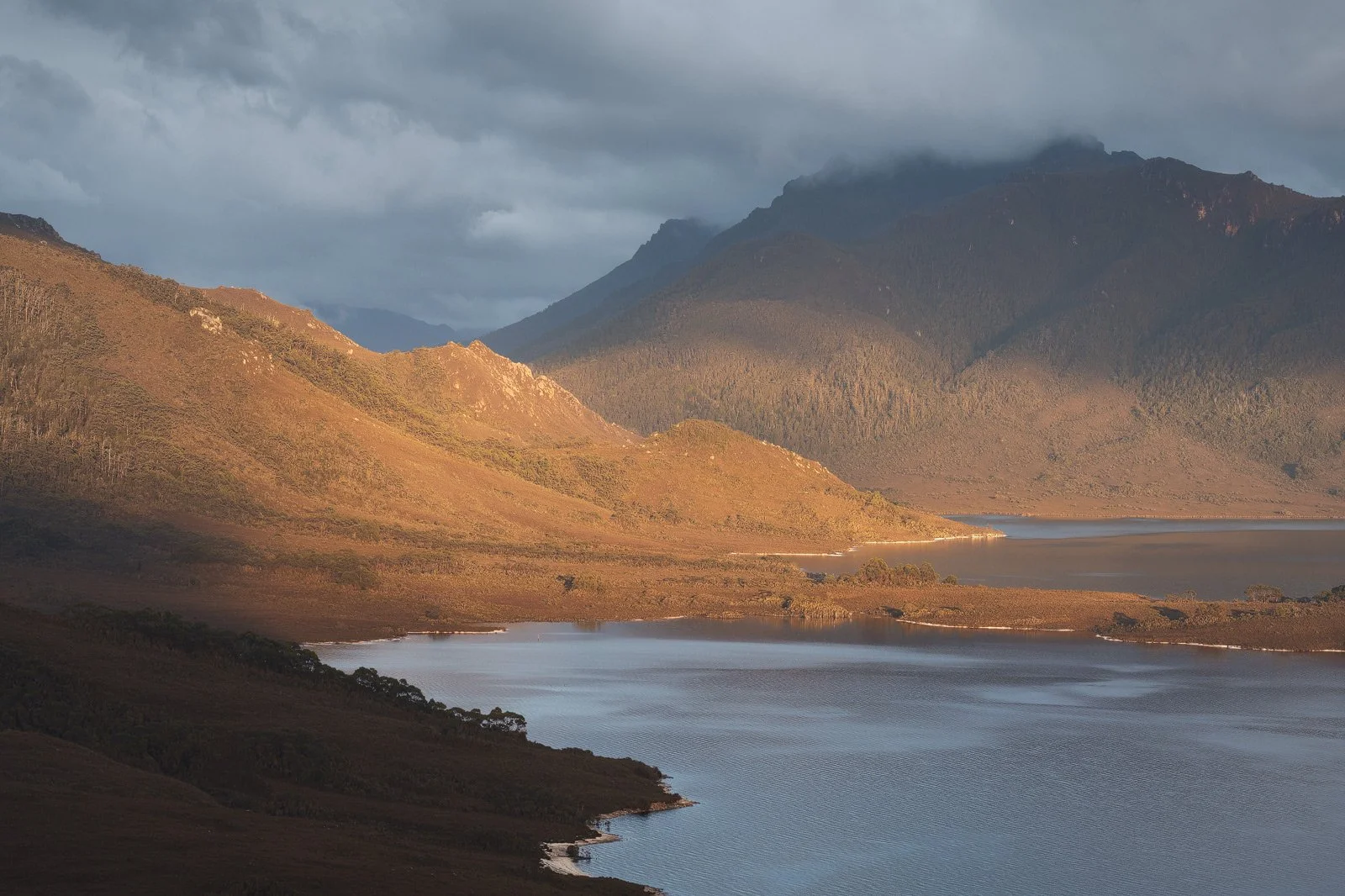
This scene shows a tiny fragment of the reservoir that’s still known as Lake Pedder. On the surface, it’s decidedly beautiful. But it’s a shallow substitute for the wilderness that once was.
On my last day in Tasmania, I stopped by the banks of the South Esk River. After recent rains, tannins from the bush leaked out and created these infinitely interesting swirls. I was mesmerised and snapped off a few frames before heading home.
Nature articles
After a long Tassie winter and too few adventures, it was time to hike Cape Raoul where the sun broke through and painted the cliffs crimson. I was overcome by the dazzling display before day’s end.
We set out in search of blooming wildflowers and stumbled on rainbow constellations of scoparia. But the trip highlight was the crimson-red Telopea truncata. The Tasmanian waratah.
Peter Dombrovskis wasn’t a prolific writer. But he did share his experiences in the occasional interview and infrequent essay. Letting us in on his approach to photography and what drew him to these wild lands time and again.

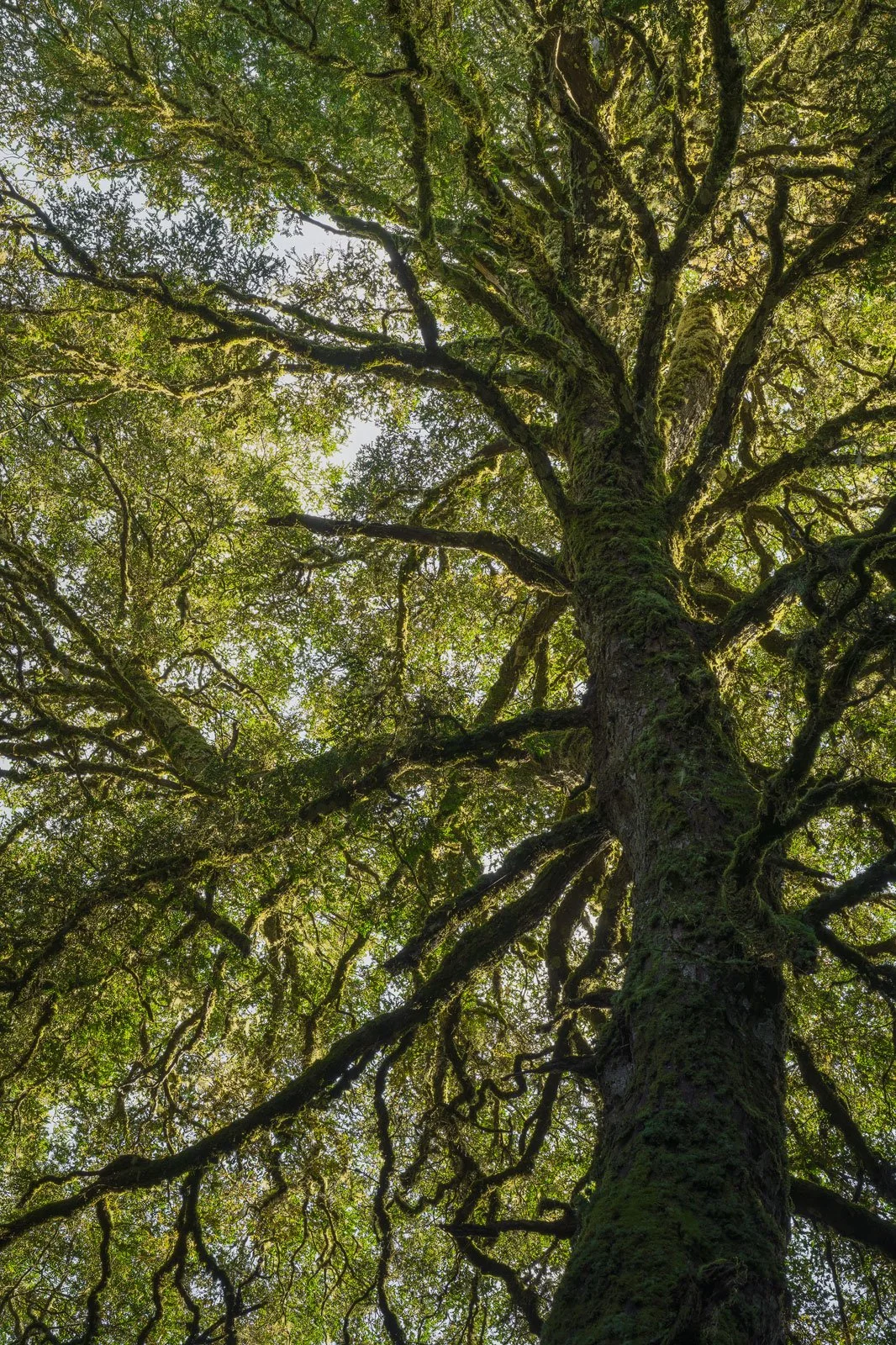
In early summer, the forests of Tasmania burst with buds and blooms. On the banks of the Liffey River, this grove of myrtle beech, tree ferns and sassafras seemed to pulsate with light and life.