
The flood of high-fidelity images generated by AI has left me feeling uneasy.
Many people now struggle to discern genuine from generated. While clients prioritise cost and convenience over credibility.
And it shows no signs of slowing as it sweeps through the industry. A 2026 survey from the UK Association of Photographers found that 58% had lost commissioned work to generative-AI services.
So where does that leave landscape photography in the age of AI?
Doubts: Faster, easier and without fault
My unease has grown as AI models will only improve. From here on out, generated images will become more realistic and more rampant in our lives.
Already, AI tools lure photographers with the power to simulate dreamy long exposures and make dull clouds glow with colour. These tools can splice elements and combine conditions that we’d have to wait for years to align in the wild.
Any sky you want? You got it.
A complex composition? Done. And let’s throw in some moody fog.
A series of images for a personal project? Delivered in minutes.
These tools create images faster, easier and without fault. Most people (myself included) now struggle to discern fact from fiction.
So what’s our craft worth when AI can objectively do it better?
Deeper thoughts
I photograph landscapes to capture and share scenes of wonder.
On my not-so-enlightened days, I still stubbornly race towards and focus on the final image.
On my more enlightened days, I slow down to soak in nature on the way. To feel pelting rain. To hear morning birdsong. To stumble upon unplanned scenes of beauty.
These experiences in nature remind me to be present and notice small, everyday marvels – particularly when life gets turbulent and attention becomes an afterthought.
That search for the sublime sustains me. Hardships happen. Hopes get put on hold. Yet nature remains an inexhaustible source of wonder that grounds me and connects me with something beyond myself.
And if you’ve had similar yearnings, you're far from alone.
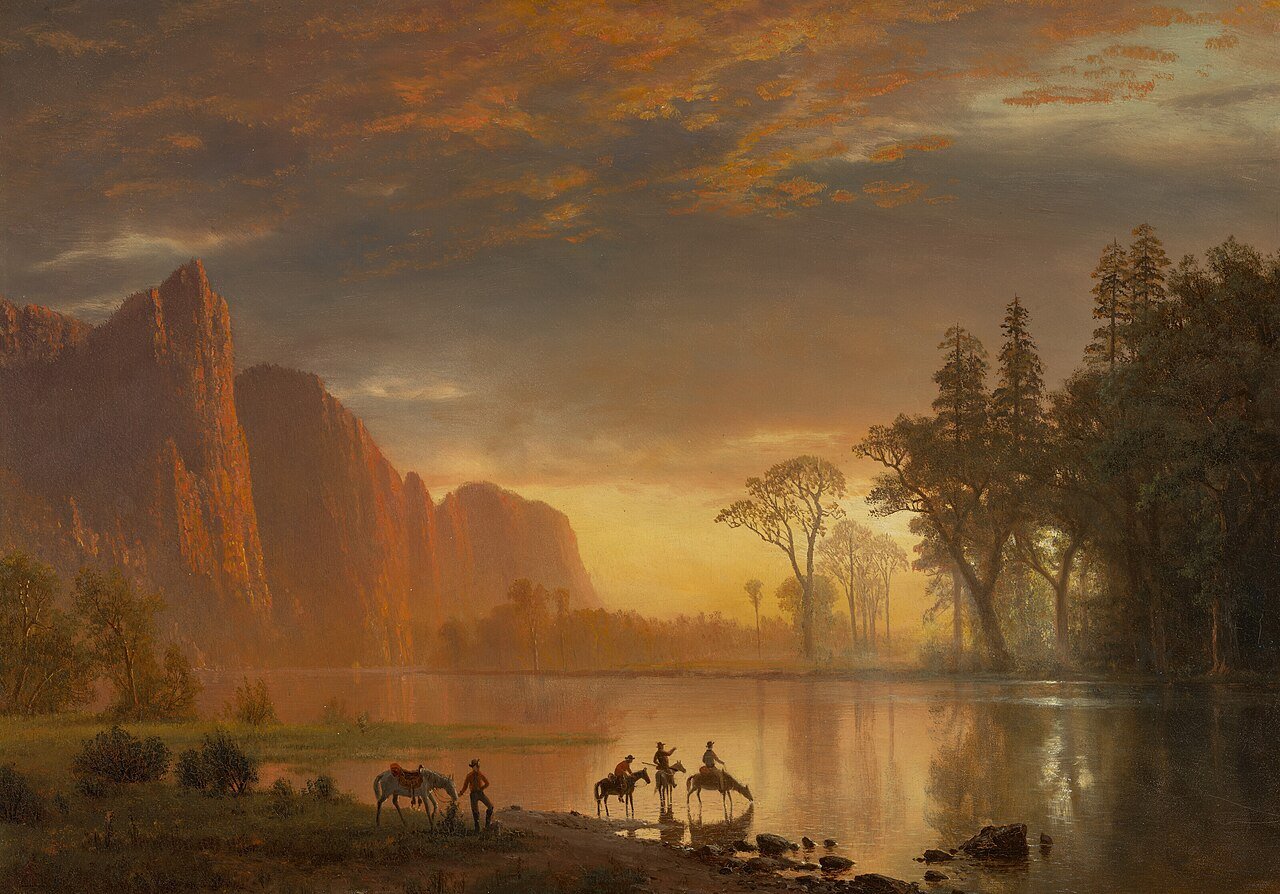
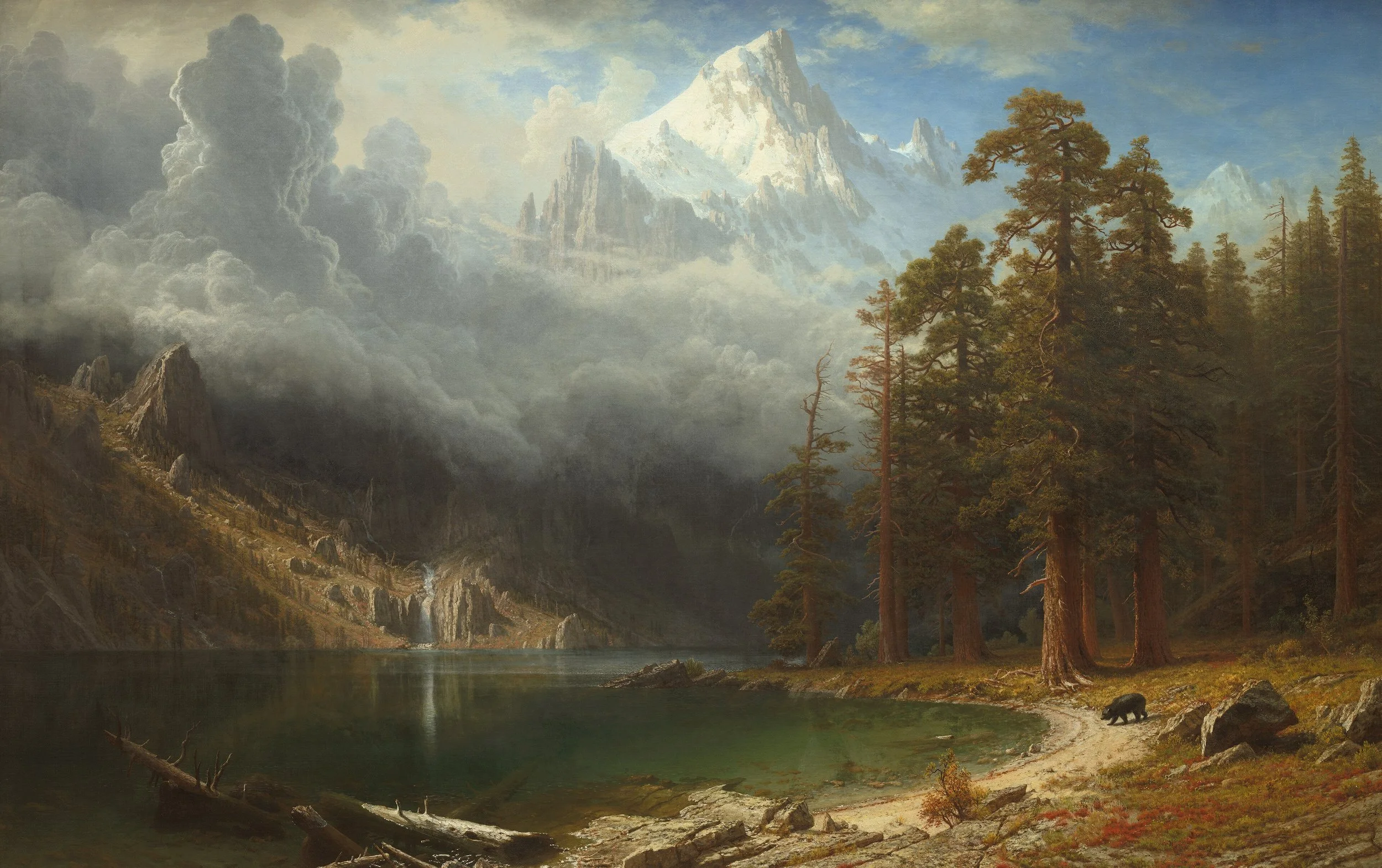
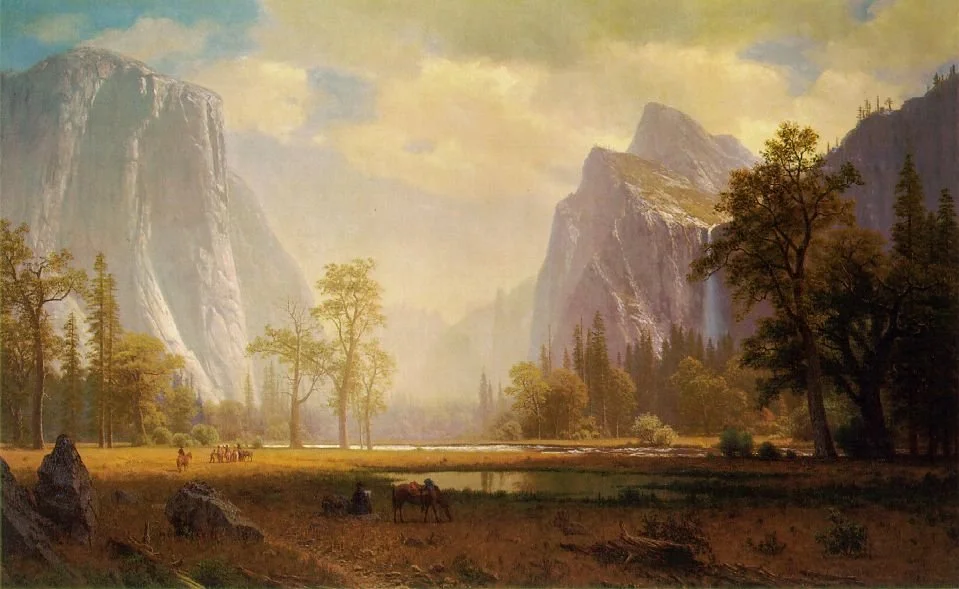
Landscape paintings of the American West by Albert Bierstadt.
Over two hundred years ago, poets and painters rebelled against the overreaches of the Enlightenment. Not to reject science. But to champion feelings, folklore, subjectivity and beauty in a culture that became blinded by reason and reductive thinking.
Sound familiar? The Romantics, as they came to be known, sought meaning in an ever-more mechanical world.
A legacy of awe in landscapes
Modern landscape photography continues a rich tradition of trying to connect with the sublime. From ancient mystics and storytellers to the artists of the 1800s.
Painters like Eugene von Guérard and Albert Bierstadt travelled through sweeping landscapes in awe and sought to express that sense of enchantment through their work.
Both attended the Düsseldorf Academy where they blended realism with Romanticism. With a dose of poetic license, their grand landscapes exalt experiences beyond our temporary existence.
In von Guerard's depictions of colonial Australia, you can sense the splendour he felt in locations still being seen and understood by Europeans. Likewise, Bierstadt bore witness to a changing American West with solemn reverence.
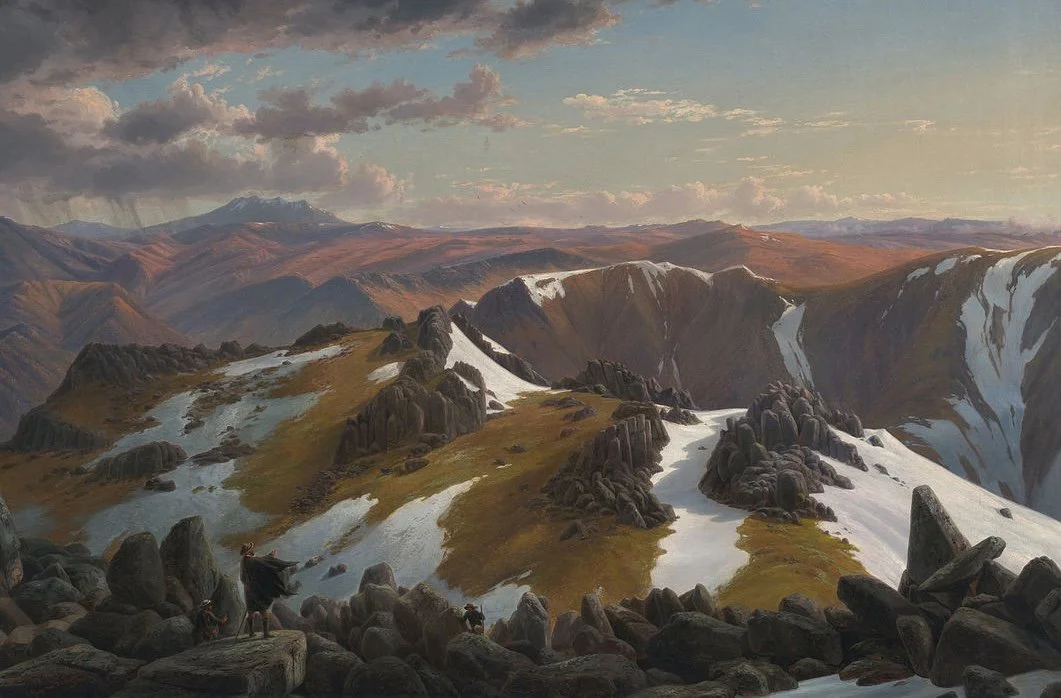
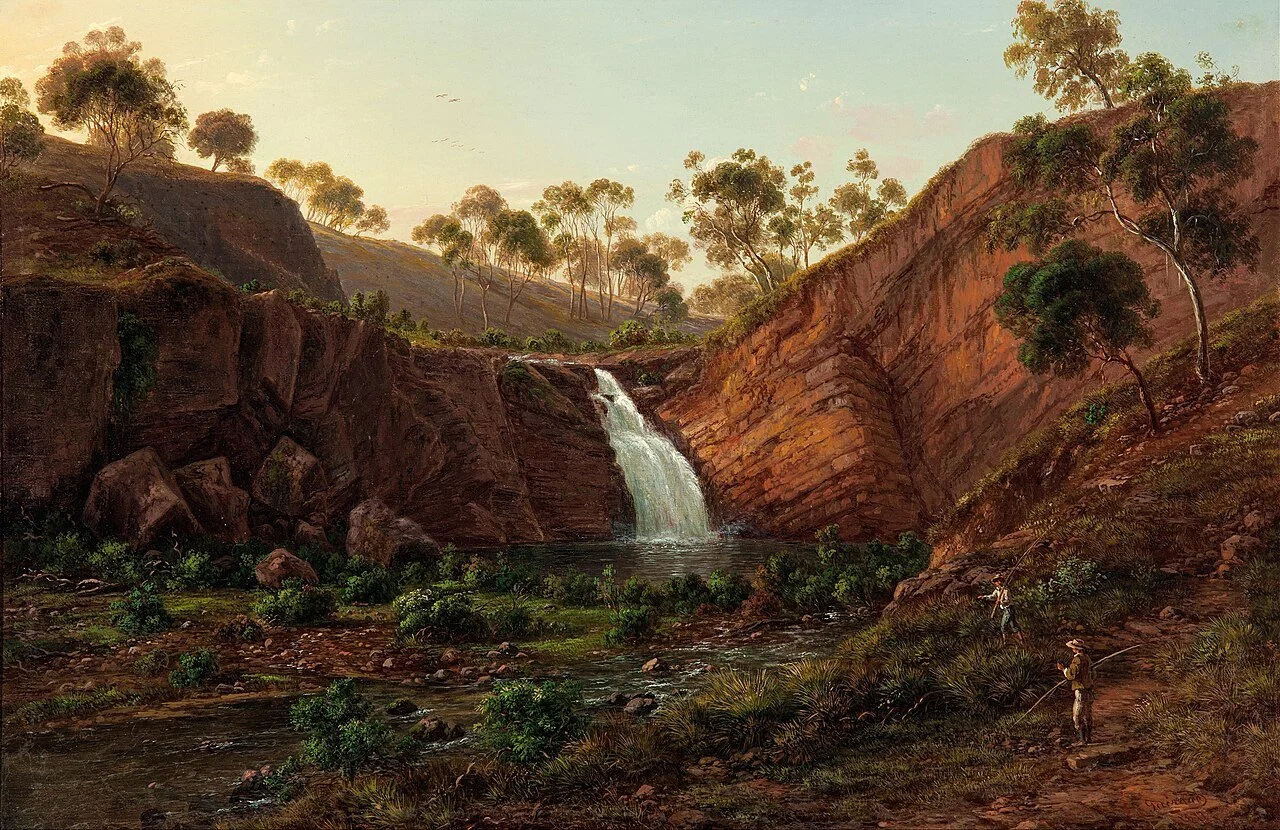
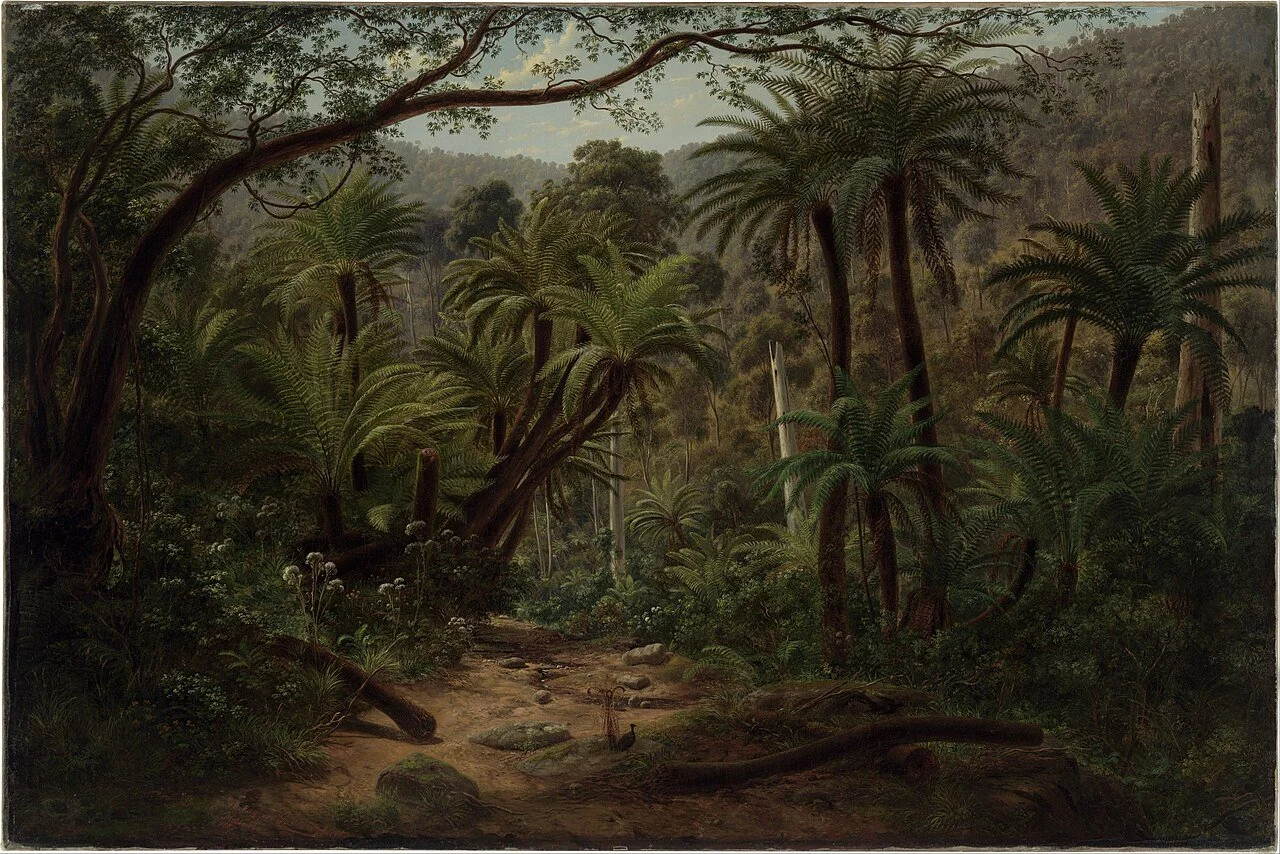
Landscape paintings of Australia by Eugene von Guérard.
Their wonder moved them to make art and seek solace in something bigger than themselves. To share these scenes so future viewers would be moved as they had.
Landscape art is an ode to these moments of awe. It silences our ego and declares with sincerity: Look beyond yourself and behold this sublime scene.
It’s a flash that wakes us from the routine flow of life. It’s an open invitation to reconnect with the eternal and the enchanted.
The infinite and the imperfect
AI promises infinite possibilities. It’s seductive. Like a siren song beckoning us to outsource our agency and embrace easy shortcuts.
Don’t overthink what you want to say, just ask AI to polish it. Why hike for hours when AI can generate a grand view in seconds?
I’d be foolish to try to reconcile art and AI in this 800-word essay. And if preeminent painters bent reality to their will, then what’s the harm splicing a banger sunset into your photo?
This tension might not have a tidy answer. And sitting with that is okay. That, perhaps, is the richest lesson that art and nature continue to teach me.
Albert Bierstadt: Yellowstone Falls.
Life is a swirling stream of obstacles and unknowns up around the bend. There are infinite forks we can navigate down – so to pursue some paths, we must forgo others.
As landscape photographers, the compositions we frame have compromises. The conditions we encounter may not be what we desired. Yet meaning flows from what we make of the mess and the imperfections.
So why does landscape photography still matter in the age of AI?
Perhaps it’s because the perfection promised by AI is out of rhythm with the ebbs and flows of our lives. And landscape photography reminds us to revere and bear witness to life’s ever-changing alchemy of light and land.
I’m not certain.
But not knowing feels like part of the answer.