
East of Melbourne, beyond the vineyards, the Yarra Ranges rise into cool, densely forested hills. Mountain ash tower over sheltered gullies, where gnarled myrtle beech watch over burbling creeks. It’s a damp, layered landscape that offers rejuvenation within easy reach of the city.
For nature photographers, these unruly forests can be overwhelming. Tangled branches interrupt otherwise clean compositions. Ferns crowd the foreground. Crimson rosellas flash through the brush as lyrebirds turn over leaf litter below.
Finding a balanced frame takes patience. Sometimes, a small shift to the side separates two trunks and gives the whole scene room to breathe. Morning fog helps too, softening distant trees and separating layers that might otherwise merge into green chaos.
Mount Donna Buang, the Black Spur and Acheron Way offer three rewarding places to begin. In this guide, I share my approach to photographing the forests of Yarra Ranges National Park, with advice on gear, conditions and planning your visit.
Give yourself plenty of time. These trees have a habit of holding your attention – and drawing you back.
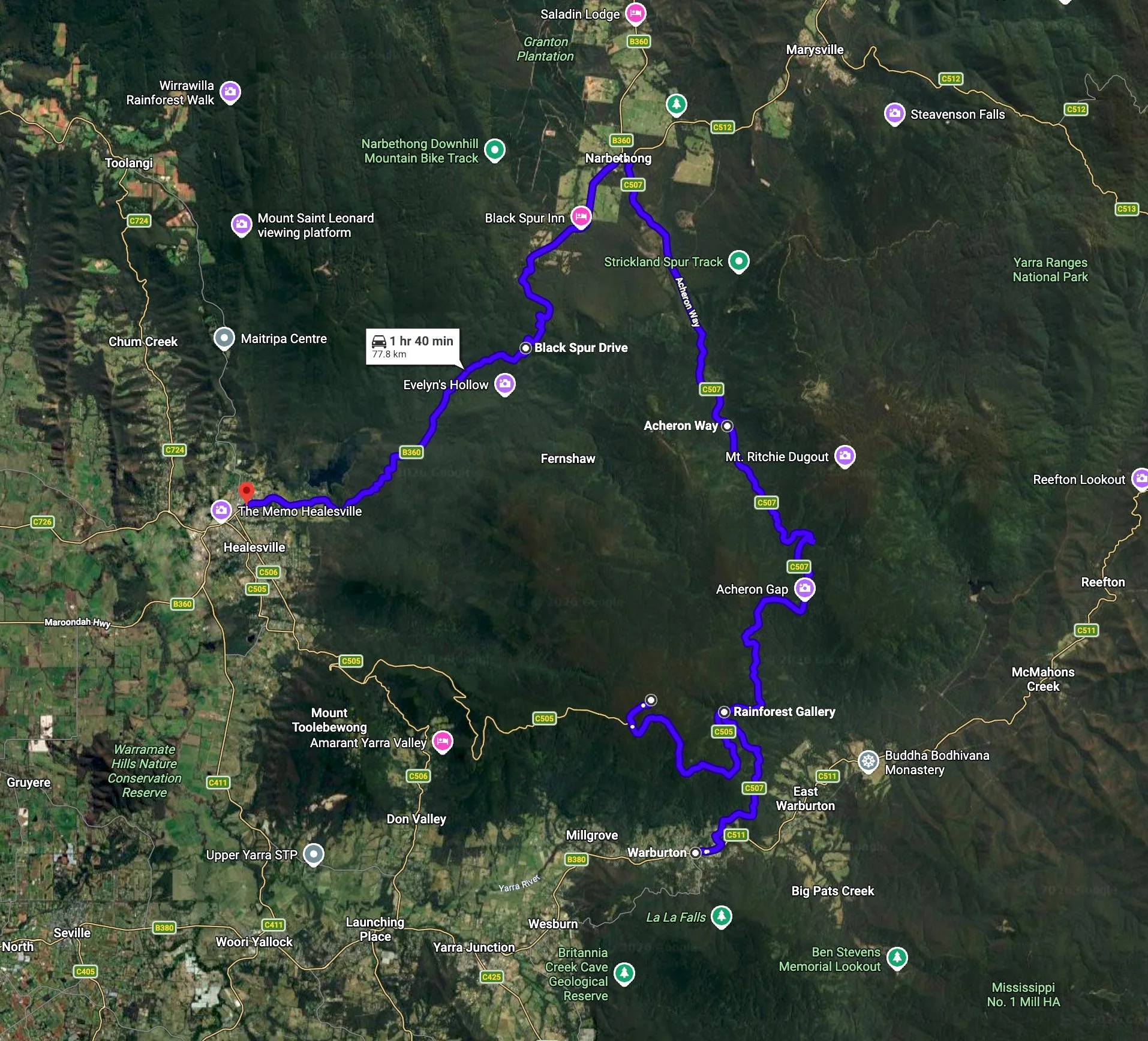
Yarra Ranges forest photography map on Google Maps
1. Mount Donna Buang
Watching over the town of Warburton, Mount Donna Buang makes for a scenic day trip from Melbourne. Allow around two hours from the city to the summit, depending on traffic and conditions. The sealed road climbs through tall forests towards a summit more than 1,200 metres above sea level. There’s a lookout tower at the top and toboggan runs when winter brings enough snow.
For forest photography, the dense gullies and soaring giants along the way will catch your eye and fill your mind with frames to capture. There’s splendour around every bend.
A good place to start? Warburton’s aptly named Rainforest Gallery, about a ten-minute drive from town. The raised observation platform is accessible for all ages and welcomes you right into the canopy. You’ll see life in the treetops amongst mighty myrtle beech and over sprawling tree ferns far below.
Take the stairs down to a lower boardwalk beside the burbling Cement Creek and moss-covered boulders. Consider the different viewing heights as you look across the undergrowth. Look for relationships: a spreading myrtle above a cluster of ferns or a pale ash trunk rising from dark foliage. I’ve found a 24–70mm zoom lens well suited to these scenes, with enough reach to enclose the composition without losing the surrounding forest.
Take note of character-rich trees and consider returning in foggy conditions, when a distracting background branch may fade and give your central tree breathing room. I often time my trips to Mount Donna Buang for calm conditions too. Even gentle breezes can set the fern fronds swaying, making an otherwise promising composition difficult to capture sharply.
Higher up the mountain, the damp gullies give way to more open subalpine forest. Winter snow can calm the chaos, covering the ground and emphasising the forms of trees. Heavy snowfalls also change driving conditions and can limit access, so check current advice before heading to the summit.
2. The Black Spur
The Black Spur is a mighty gateway into the Yarra Ranges – and might just be Australia’s most beautiful forest drive. Follow the Maroondah Highway east from Healesville, where the road winds around slopes thick with mountain ash and tree ferns.
The endless columns of trunks make strong subjects, but their scale can be difficult to convey in a photo. Include surrounding tree ferns to establish their size or look for several trunks spaced across the frame. Take a few steps sideways and watch how they overlap and separate. Aim for an arrangement your eye can move through comfortably.
To explore the Black Spur on foot, consider parking at Fernshaw Picnic Area or Dom Dom Saddle. Morleys Track links the two areas, though the full walk is a substantial one-way outing that needs planning. A shorter return section may better suit a morning of photography. Walk beyond the highway to give scenes the attention they rarely receive through a car window.
For all the beauty overhead, take time to notice what’s happening below. A lyrebird turning leaves or a fern frond unfurling can draw your attention away from the grand trees. You may not photograph either. Yet these slower moments remind us how much life unfolds beyond the edges of our compositions.
Some safety notes: Don’t be the reckless tourist who parks on a narrow shoulder and blocks the road. Pull over in safe areas and walk on foot from there. And with swaying and snapping branches overhead, these wild forests also warrant care in strong winds or after storms.
3. Acheron Way
Acheron Way connects the Maroondah Highway near Narbethong with Donna Buang Road above Warburton, making a natural link between the Black Spur and Mount Donna Buang’s lower slopes. Following the Acheron River for part of the journey, the drive passes through the ranges and winds around sheltered rainforest gullies.
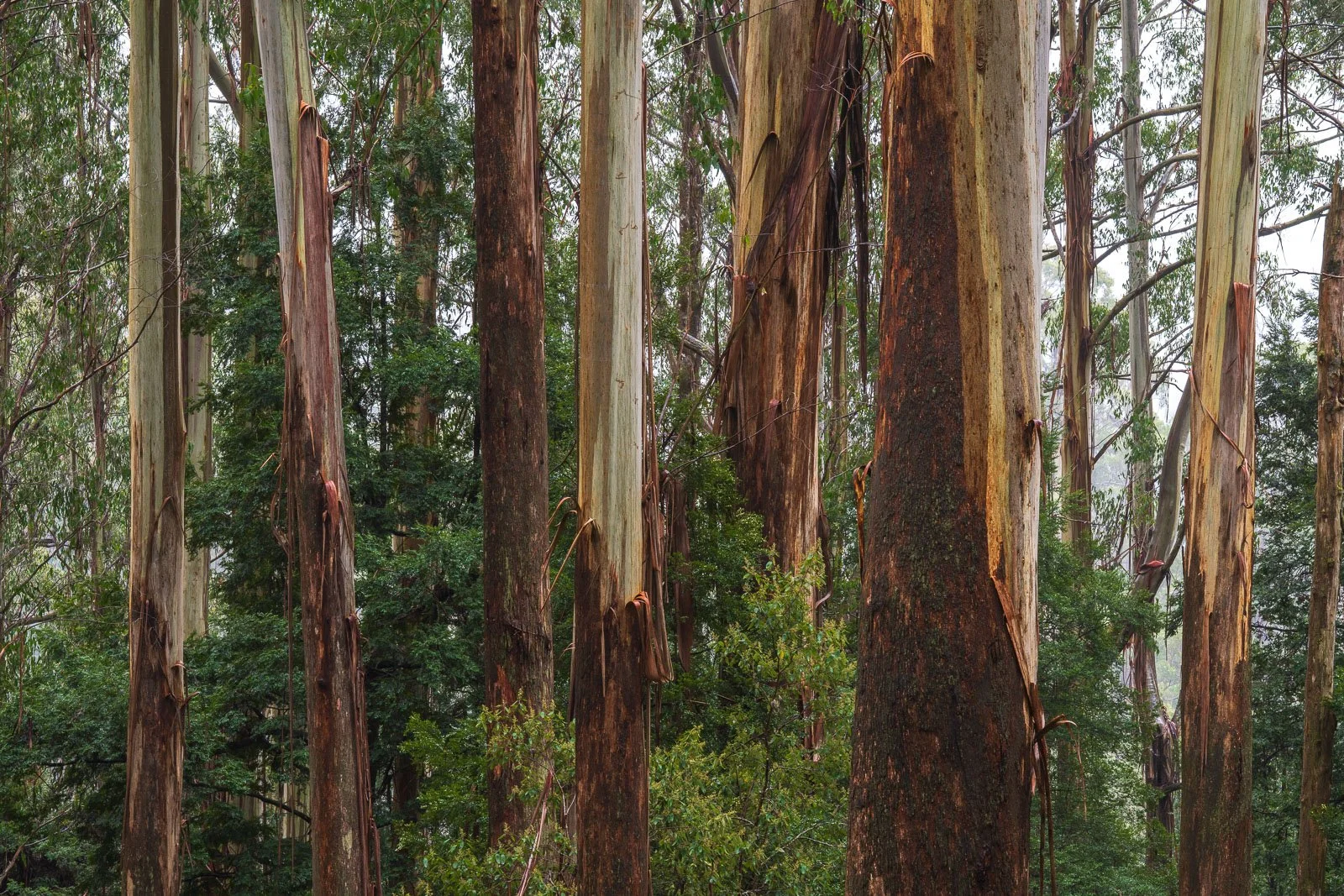
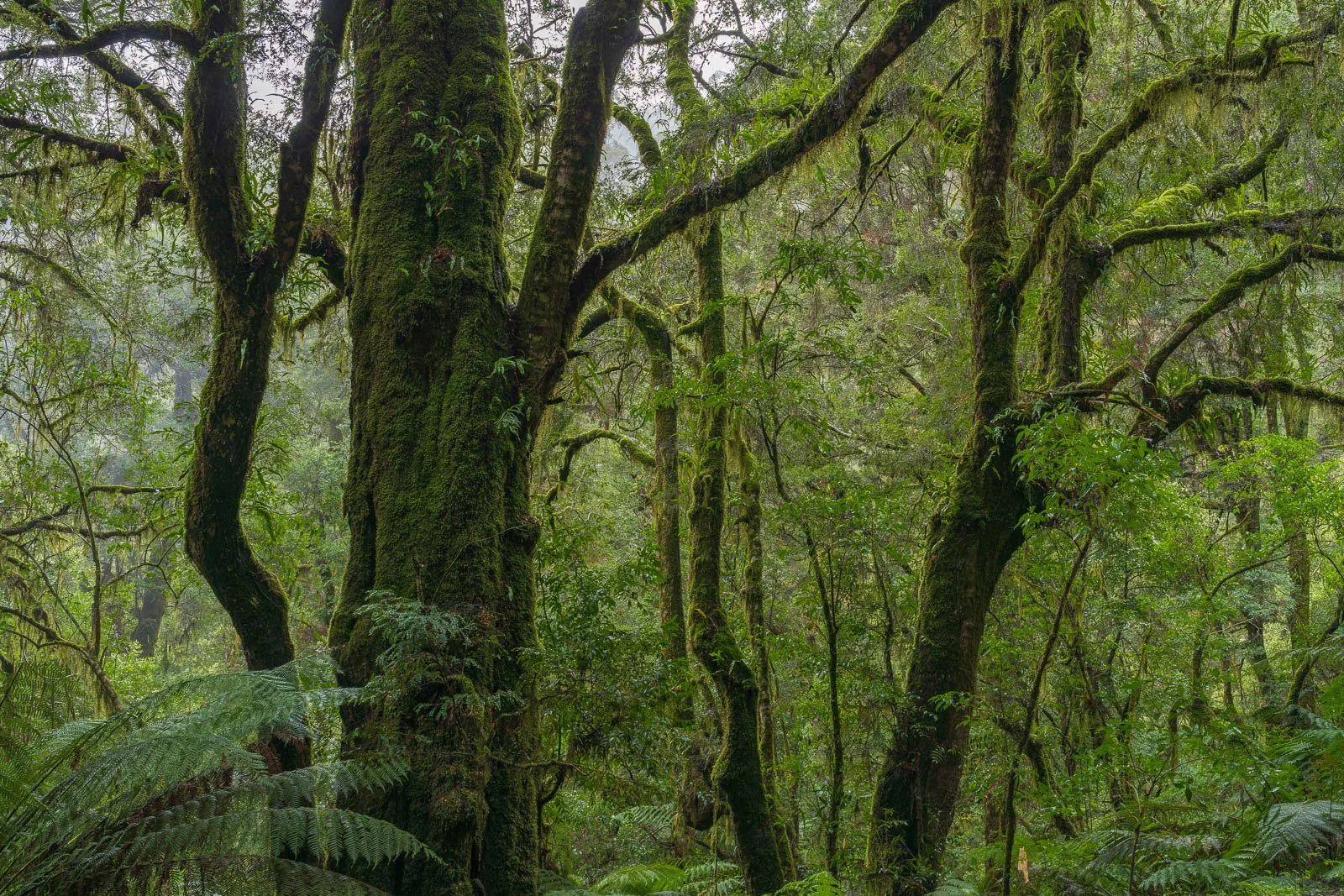
The middle stretch is unsealed and can be slow going after rough weather. On several visits, I’ve encountered thick mud and deep potholes cratered across the road. Fallen trees (and tree ferns) can delay your journey, too. So check road conditions and whether the route suits your vehicle; long stretches of wet weather may require a four-wheel drive.
In my experience, this stretch of the Yarra Ranges is much quieter than the other two. So where parking allows for it, pull over for a short walk and explore the forest details on foot. Take a short walk and let your attention wander before settling on a composition. Only when a scene resonates with you is it time to extend the tripod legs and fine-tune the frame.
Often, the photographic appeal lies in the changing layers of forest. Look for places where the ground falls away, giving you a view across the understorey. Shooting towards an opposite slope can fill the background with foliage and remove bright patches of sky. A little elevation can reveal a composition that disappears again a few steps further on.
What camera gear to bring for forest photography
You don’t need an overflowing camera bag to photograph the Yarra Ranges. A few versatile lenses and some practical wet-weather gear will cover most opportunities.
A mid-range zoom: The vast majority of my photos from the Yarra Ranges are taken with my 24–70mm lens. It gives me the flexibility to frame a tree with its surrounding ferns, then tighten the composition as I explore different angles.
A telephoto zoom: My second most-used lens is my 70–200mm. It helps me isolate smaller scenes across gullies: overlapping fern crowns, bark details or a few pale trunks receding into fog.
A wide-angle lens: Useful when you want to emphasise a burbling creek or get close to fern fronds beneath towering trees. Watch the edges, where extra branches and patches of sky can distract from the central scene.
A sturdy tripod: Dim gullies often call for slower exposures, particularly when you need a smaller aperture to keep the scene in focus. But don’t start by plonking down your tripod. Explore on foot first, then set it up to refine your chosen frame.
Protection from moisture: Pack a waterproof jacket and several clean lens cloths. I’ve also taken many a photo in pouring rain with my camera shielded by an umbrella. (I don’t mind getting drenched, as long as my camera stays dry.)
Suitable footwear: Gumboots are mighty handy for short outings on muddy tracks. For longer walks or steep ground, choose supportive walking boots with good tread.
Add water, a warm layer and a headtorch if you’re photographing around dawn or dusk. Carry enough to stay comfortable, without making every short walk feel like a multi-day expedition.
Best seasons and conditions for Yarra Ranges photography

My ideal conditions for forest photography are a foggy morning with little wind. But the best time will depend on your calendar and the scene you want to make. Soft overcast light, low winter sun and fresh spring growth each offer different possibilities.
Finding fog takes some planning – and a willingness to return without knowing whether the forecast will deliver.
For valley fog, look for recent moisture followed by a cool night with clear skies and light winds. When the air cools to its dew point, water vapour can condense into droplets near the ground. Higher on Mount Donna Buang, low cloud can envelop the forest even when the valleys below remain clear.
Throughout the year, each season changes the opportunities:
Autumn and winter bring shorter days and a lower sun angle, which can soften the light or make for a pleasing glow through the undergrowth. Higher slopes may receive snow. And tree ferns will be fully unfurled before the fresh growth sprouts in late spring.
Spring and early summer bring fresh growth to look for amongst the understorey. Unfurling fern fronds make strong intimate subjects and add striking shapes to support wider scenes. Flowering wattles can bring flashes of gold against the green, with timing varying between species.
Without fog, an overcast day offers soft light and manageable contrast across pale trunks and shaded ferns. Clear mornings offer another opportunity: look for sunlight catching fronds or illuminating a tree against a darker hillside.
Watch the wind as well as the light. Many times I’ve needed a faster shutter speed to prevent swaying leaves and blurred ferns from distracting from the composition. Raising the ISO can be a worthwhile trade-off for a tack-sharp image.
Planning your visit and treading lightly
It’s tempting to connect Mount Donna Buang, Acheron Way and the Black Spur into one grand day of forest photography. But if considered images are your priority, give yourself time and permission to spend most of the morning soaking in one area.
Choose a location and check the conditions before leaving home. Download a map for offline use (I use Gaia GPS) and allow time for the return journey. Forest photography has a habit of turning a short scout into a long outing.
Check Parks Victoria alerts, road conditions and fire danger warnings (particularly in summer) before heading out. Strong winds or storm damage may make a forest outing unsafe, while snow can affect access higher on Mount Donna Buang. There will be other mornings.
Once you’re on foot, keep to tracks and stay clear of closed catchment areas. Take time to become familiar with a place, notice what’s growing around you and give the wildlife room. A worthwhile photograph should leave its subject intact.
For me, the appeal of these forests grows with familiarity. Each venture offers another chance to revisit a promising tree or to deepen my understanding of the shifting play of light, land and life of the mighty Yarra Ranges.